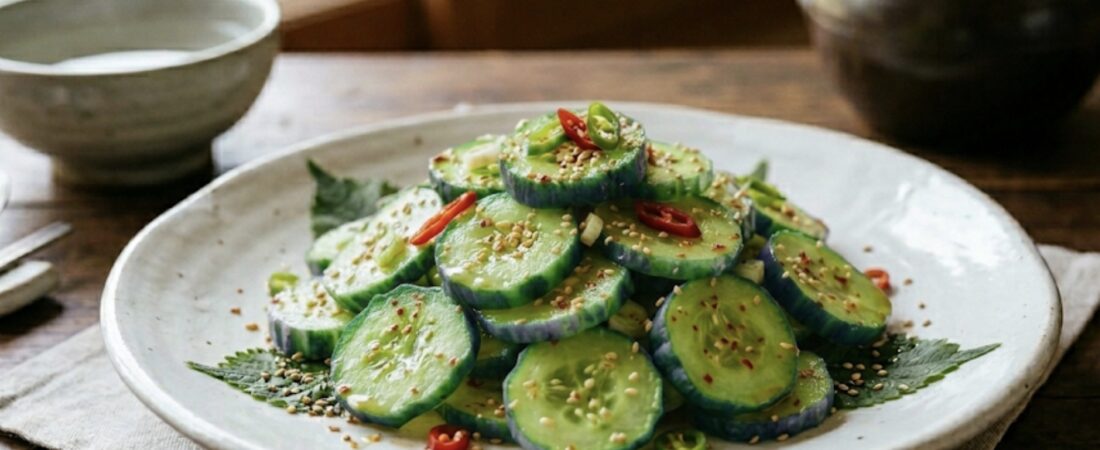
For patients recovering from colorectal cancer surgery, dietary management is the single most critical factor determining successful rehabilitation. Because the large intestine is responsible for absorbing moisture from digested matter and processing waste, it is vital to avoid irritating foods and choose ingredients that do not place an undue burden on the digestive tract.
In this article, we will explore the essential guidelines for vegetable consumption based on the recovery stages of colorectal cancer patients. We will also share the nutritional benefits and the foolproof recipe for Traditional Korean Temple-Style Cucumber Salad (Oee-Muchim)—a dish designed to gently cleanse both the body and mind.
1. Post-Surgery Vegetable Consumption Principles for Colorectal Cancer Patients
When introducing vegetables into the diet after colorectal cancer surgery, preparation methods must be strictly tailored to the patient’s stage of digestive recovery.
The Initial Recovery Phase: Focus Exclusively on Cooked Vegetables
Immediately following surgery and for several subsequent weeks, the intestinal mucosa remains swollen, and digestive absorption capacity is significantly compromised. Consuming raw vegetables with tough fibers during this delicate window can trigger complications such as bowel obstruction or severe indigestion. Therefore, vegetables must always be thoroughly boiled, steamed, or blanched to achieve a soft, easily digestible texture.
The Stabilization Phase: Gradual Transition to Raw Vegetables with Strict Seasoning Limits
As time passes and intestinal function stabilizes, allowing the patient to digest cooked vegetables without discomfort, raw vegetables can be introduced gradually. However, even during this phase, strong, stimulating seasonings such as green onions, garlic, onions, and chili peppers (known as the five pungent spices, or Osinchae in temple cuisine) must be strictly avoided. Pungent spices can aggravate the recovering intestinal lining, potentially causing inflammation or diarrhea.
2. Nutritional Benefits of Temple-Style Cucumber Salad for Cancer Recovery and Chronic Conditions
Traditional Korean temple food completely omits the five pungent spices, making it an excellent alternative for colorectal cancer patients in the stabilization phase. Furthermore, for individuals managing chronic conditions like diabetes or hypertension, this culinary approach serves as an ideal health food by minimizing sodium and refined sugars while highlighting the natural flavors of the ingredients.
Preventing Blood Sugar Spikes (Diabetes Management): Cucumbers are exceptionally high in water and dietary fiber while remaining remarkably low in carbohydrates and sugars, meaning they do not cause a sudden post-meal blood sugar spike. When paired with the citric acid of fresh lemon juice, the conversion of carbohydrates into glucose slows down even further. Additionally, the subtle sweetness of green plum syrup (Maesil-cheong) places far less stress on the gut and glucose levels than refined sugar.
Sodium Excretion and Blood Pressure Control: The abundant potassium found in cucumbers plays an excellent role in flushing excess sodium out of the body through urine, helping to stabilize blood pressure. Because this recipe uses traditional Korean soup soy sauce (Guk-ganjang) for minimal seasoning instead of heavy salt or processed spices, it can be consumed without worry by those tracking their blood pressure or managing post-surgery fluid retention.
Absorption of Fat-Soluble Nutrients and Intestinal Protection: A light drizzle of perilla or sesame oil at the very end introduces healthy unsaturated fatty acids that work to lower blood cholesterol levels and maximize the absorption of the cucumber’s fat-soluble vitamins. These gentle fats also act as a natural lubricant for the intestinal tract, supporting smooth and comfortable bowel movements.
3. Selecting the Right Acidity: Vinegar vs. Lemon Juice
A tangy, refreshing note is essential in a seasoned salad to stimulate an appetite that may have dulled due to a low-sodium diet. When preparing temple-style cucumber salad, here is how to select your acid source:
1 Natural Fermented Vinegar (The Traditional Standard): Utilizing apple cider vinegar or brown rice vinegar is the ideal standard. Unlike synthetic acetic acid, naturally fermented apple cider vinegar contributes a delicate fruity sweetness, while brown rice vinegar imparts a deep, mellow depth that complements the clean, rustic profile of temple cuisine beautifully.
2 Fresh Lemon Juice (The Ultimate Alternative): If vinegar is unavailable at home or if the sharp profile of processed vinegar feels too intense for a sensitive palate, lemon juice (freshly squeezed or 100% pure bottled lemon juice) serves as an outstanding substitute. The natural citric acid in lemons offers a bright, crisp tartness that elegantly elevates the inherent aroma of the cucumber.
4. Why You Must Salt and Squeeze the Cucumber Thoroughly
Before tossing the cucumber with the dressing, salting the slices and squeezing out every possible drop of excess moisture is the ultimate secret to mastering this dish.
A Long-Lasting Crunchy Texture: Cucumbers consist of over 95% water. Drawing out this moisture beforehand through osmotic pressure and squeezing it dry tightens the cucumber’s cellular walls, resulting in a remarkably crisp, satisfying crunch that lasts.
Deep Flavor Without Dilution: If the moisture is not properly extracted, water will continuously seep out of the cucumbers over time. This dilutes the golden ratio of soy sauce and plum syrup, rendering the dish bland. Thoroughly squeezed cucumbers act like a sponge, beautifully absorbing the seasoning so that every single bite remains flavorful until the very last piece.
5. Step-by-Step Temple-Style Cucumber Salad Recipe
1 Salting and Squeezing (The Crucial Step): Slice the cucumbers thinly into rounds and toss them with coarse salt to cure for 10 to 15 minutes. Rinse the salted cucumbers lightly in cold water, wrap them in a cheesecloth (or use your hands with firm pressure), and squeeze them thoroughly until no more water escapes.
2 Coating with Chili Flakes: Add Korean chili flakes (Gochugaru) to the completely drained cucumbers and gently toss by hand first. The chili flakes will absorb any microscopic trace of remaining moisture, locking in a vibrant, appetizing red hue and preventing the final dressing from sliding off. (※ Note: For colorectal cancer patients, the amount of chili flakes should be minimized or omitted entirely depending on current intestinal sensitivity.)
3 Balancing with Clean Seasonings: To the beautifully crimson-tinted cucumbers, add traditional soup soy sauce and green plum syrup. Incorporate your prepared apple cider or brown rice vinegar; if unavailable, add the corresponding amount of lemon juice to introduce a bright, natural zest.
4 Finishing with Aromatic Oils: Once the flavors have perfectly infused into the cucumbers, add a tiny drizzle of perilla or sesame oil to gently coat the salad, then sprinkle with toasted sesame seeds. The light oil barrier helps preserve the seasonings and significantly boosts the absorption of vital nutrients.
Conclusion
The true value of temple-style cucumber salad lies not in extravagant or complex ingredients, but in the mindful care taken to strip away harsh irritants and meticulously press out excess moisture. For colorectal cancer patients transitioning into a stable recovery phase, this refreshing side dish serves as a wonderful healing food that respects the gut while reconnecting the palate with the vibrant energy of nature.
By carefully observing the patient’s current recovery milestone and adjusting the preparation accordingly, you can confidently bring a crisp, wholesome, and profoundly nurturing dish to your evening dinner table.